

In a matter of months, global attention will once again turn to Scotland as the city of Glasgow prepares to host the 2026 Commonwealth Games—one of the most eagerly anticipated events on the international sporting calendar.
Scheduled from 23 July to 2 August 2026, the Games are already being hailed as a defining “reset moment” for the Commonwealth sporting movement. Organisers are championing a fresh approach—one that places sustainability, affordability, and meaningful community impact ahead of the scale and spectacle traditionally associated with multi-sport events.
A Leaner, Smarter Games
Glasgow 2026 will adopt a streamlined format, featuring approximately ten core sports, including athletics, swimming, cycling, and boxing. The pared-down programme reflects a deliberate shift by Commonwealth Sport to ensure the long-term viability of the Games and to make hosting more accessible for future cities.
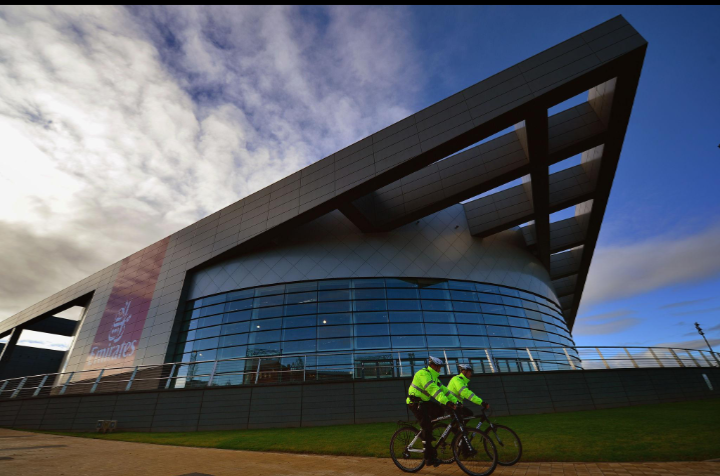
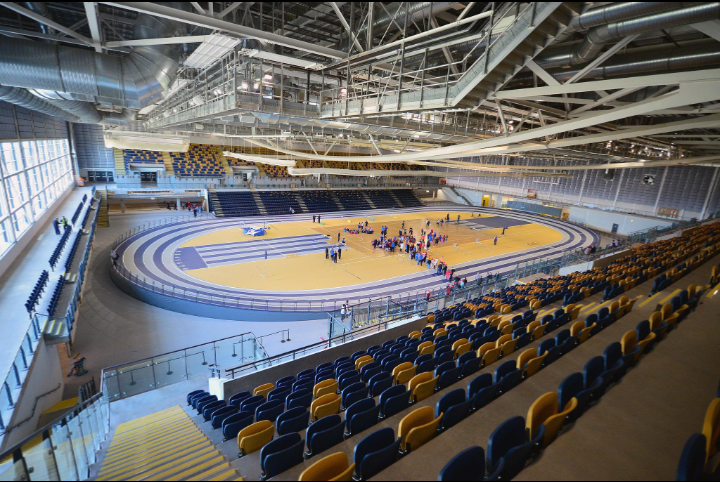
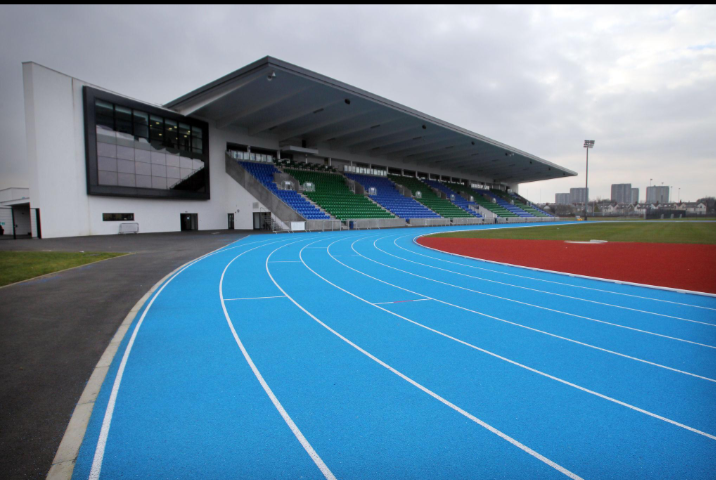
Competitions will be staged across a cluster of existing, world-class venues such as Scotstoun Stadium, Emirates Arena, and the Sir Chris Hoy Velodrome. With all locations situated within close proximity, this “cluster model” is designed to enhance the spectator experience while significantly reducing operational and logistical costs.
Putting Community First
While medals and records will remain central to the competition, Glasgow 2026 is placing unprecedented emphasis on community engagement. Through initiatives such as the Glasgow 2026 Festival, millions of pounds have already been channelled into local cultural and grassroots sporting projects.
Organisers believe this community-first approach will leave a lasting legacy—particularly by inspiring young athletes and strengthening participation in sport across Scotland and the wider Commonwealth.
High Stakes on the Global Stage
Across the Commonwealth, preparations are intensifying. Traditional sporting powerhouses—including Australia, England, and Canada—are expected to once again dominate the medal standings, with ambitious targets already being set.
For emerging nations, particularly across Africa, the Games offer a vital platform to showcase talent on the global stage. Countries such as Ghana will be aiming not only to build on previous achievements but also to inspire a new generation of athletes eager to make their mark internationally.
Challenges Met with Confidence
Despite the optimism surrounding the Games, preparations have not been without scrutiny. Questions have been raised in sections of the media regarding infrastructure readiness and aspects of the city’s condition.
However, local authorities remain confident. Drawing on the success of the 2014 Commonwealth Games, Glasgow is widely regarded as a proven host city—capable of delivering a well-organised, efficient, and memorable event.
A Defining Chapter for the Commonwealth
As the countdown gathers pace, Glasgow 2026 is shaping up to be far more than a sporting spectacle. It represents a pivotal opportunity to redefine how major international events are staged in a rapidly evolving world.
For Glasgow, it is a chance to once again step confidently onto the global stage. For the Commonwealth, it is an opportunity to demonstrate that the Games can adapt, remain relevant, and continue to thrive for generations to come.