
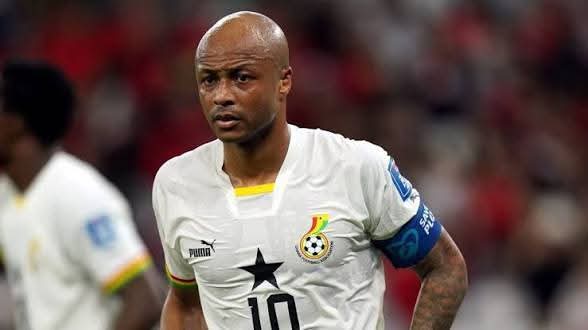
As Ghana prepares for the 2026 FIFA World Cup, one question continues to dominate discussions among supporters and football pundits alike: can the Black Stars thrive without some of their most experienced and influential players?
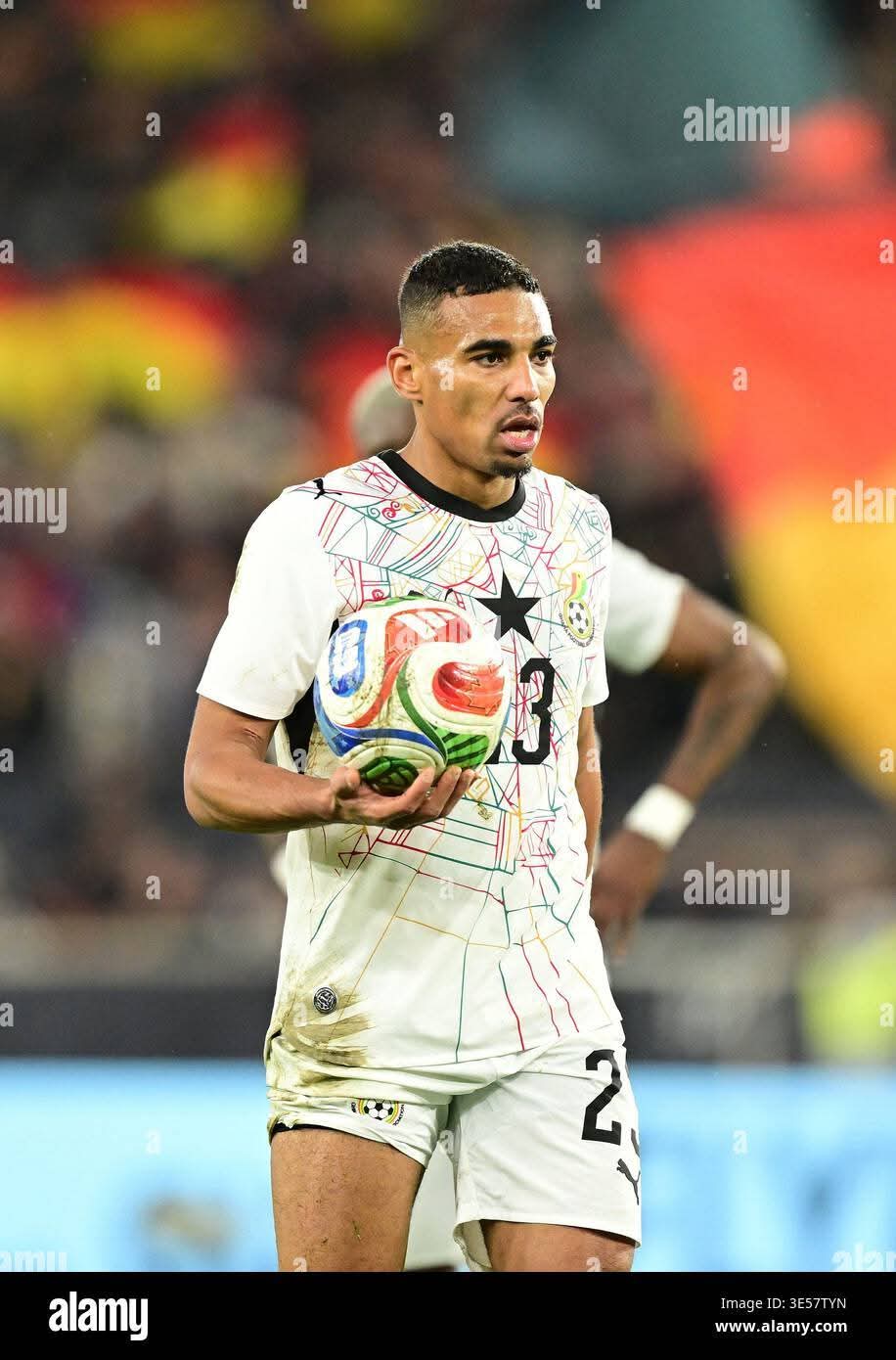
With attacking talisman , defensive stalwarts and , as well as long-serving captain all unavailable for the tournament, Head Coach faces one of the biggest challenges of his managerial career.
The absence of Kudus is perhaps the most significant blow. The gifted playmaker has been one of Ghana’s standout performers in recent years, providing creativity, goals and moments of brilliance capable of changing matches. His ability to unlock stubborn defences and drive the team forward will undoubtedly be missed.

At the back, Djiku and Salisu have formed a dependable defensive partnership whenever fit. Their experience, leadership and composure have been crucial in major international fixtures, making their absence a concern for a team preparing to face some of the world’s strongest attacking sides.
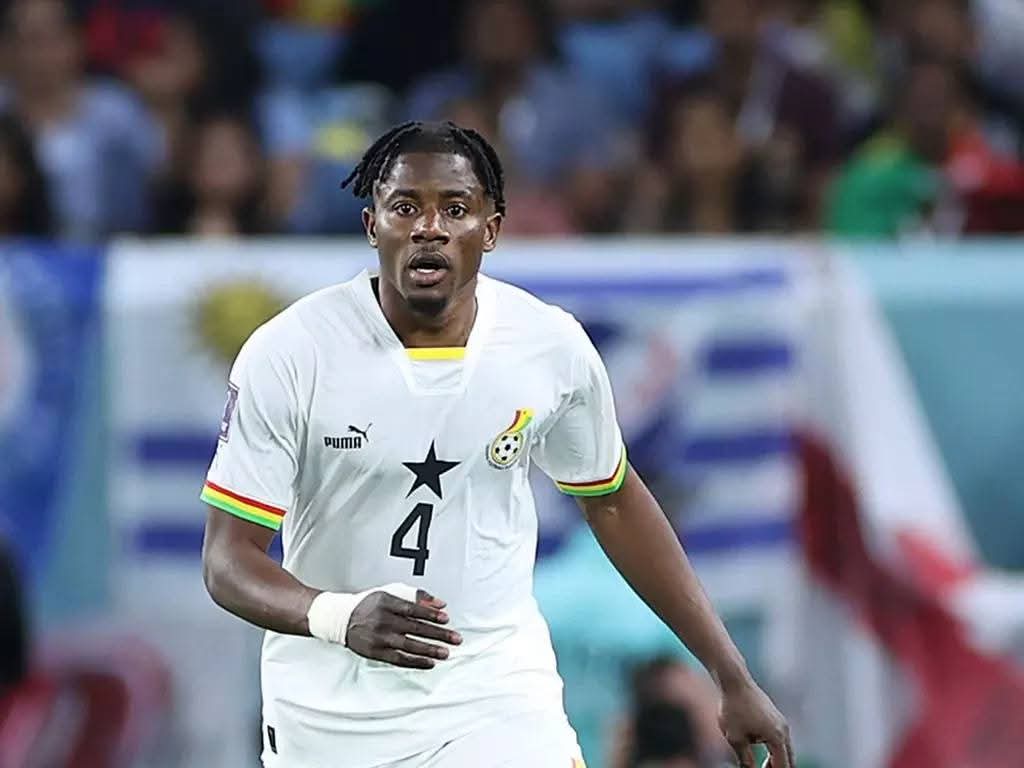
Then there is Andre Ayew. While no longer a guaranteed starter, the veteran forward remains one of Ghana’s most influential figures. As the country’s most-capped player, his leadership, experience and ability to inspire younger teammates have been invaluable throughout his international career.
Yet adversity often creates opportunity.
The World Cup could provide the perfect stage for a new generation of Black Stars to emerge. Players such as , , , and are expected to shoulder greater responsibility as Ghana seeks to make an impact on football’s biggest stage.
Jordan Ayew, in particular, enters the tournament in excellent form and will be expected to lead the attack. Semenyo’s pace and physicality, combined with Fatawu’s flair and direct running, could provide the attacking spark needed to compensate for Kudus’ absence.
Coach Queiroz has repeatedly stressed the importance of collective effort over individual brilliance. His recent squad selections suggest a focus on teamwork, tactical discipline and squad depth rather than reliance on a handful of star names.
History also offers hope. Ghana’s greatest World Cup achievements have often come when the team functioned as a united force rather than depending solely on individual stars. The Black Stars reached the quarter-finals in 2010 through resilience, organisation and a strong team spirit that captivated the football world.
The road ahead will undoubtedly be difficult, but World Cups are often defined by unexpected heroes and breakthrough performances. With a blend of experienced campaigners and hungry young talent, Ghana has an opportunity to prove that the Black Stars are bigger than any individual player.
The question remains: without Kudus, Djiku, Salisu and Dede Ayew, can Ghana rise to the occasion and write a new chapter in its World Cup history? The answer will unfold on football’s grandest stage.
Author
About The Author