
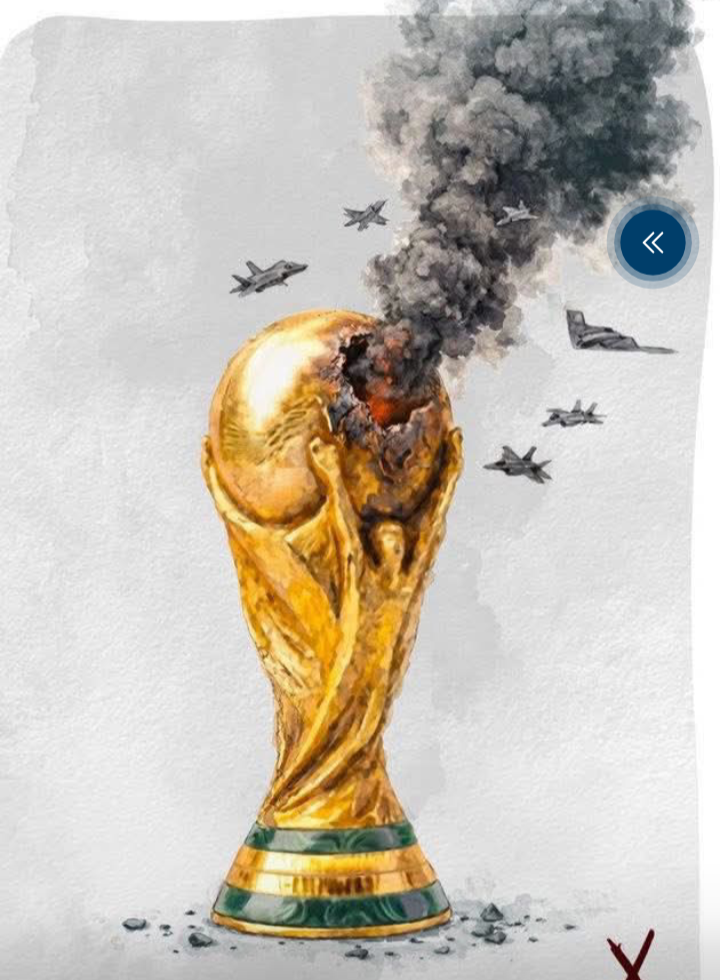
The 2026 FIFA World Cup has barely begun, yet the tournament is already being engulfed by controversy, with a series of visa disputes, border-entry problems and allegations of discriminatory treatment threatening to overshadow football’s biggest spectacle.
What was supposed to be a global celebration of the beautiful game has instead become a public relations nightmare for FIFA and the tournament’s host nation, the United States.
Over the past 48 hours alone, several players, officials and supporters from across the globe have encountered significant difficulties entering the country, raising fresh concerns about whether adequate preparations were made to accommodate the world’s most diverse sporting event.
Swiss forward Breel Embolo was forced to endure an anxious wait after his travel documents were placed under review, delaying his arrival at the tournament and preventing him from joining his teammates as scheduled.
Iraq international Aymen Hussein also faced difficulties upon arrival, reportedly being detained for questioning for nearly seven hours before eventually being granted entry into the United States.
The Iranian national team encountered even greater challenges. Players and officials spent days navigating complex visa procedures at the U.S. Consulate in Türkiye, while reports indicate that 15 members of the delegation were denied visas altogether. Those permitted to travel were reportedly only allowed entry on match days, creating major logistical complications for the team’s preparations.
Perhaps the most shocking case involved Somali referee Omar Abdulkadir Artan, who was recently crowned CAF’s Best African Referee of 2025. Despite travelling with a diplomatic passport and being selected to officiate at the tournament, Artan was denied entry and subsequently returned to Somalia. FIFA later confirmed that he would be unable to take part in the competition.
South Africa’s national team also saw its travel plans disrupted after visa issues affected part of its delegation, causing delays to the squad’s arrival in the United States.
Meanwhile, members of Senegal’s backroom staff reportedly underwent lengthy security searches and were required to remove their shoes during extensive screening procedures, prompting accusations of racial profiling and unequal treatment.
Adding to the growing controversy, members of the Uzbekistan national team were subjected to security checks involving bomb-sniffing dogs. Images and videos of the incident quickly spread across international media platforms, generating widespread debate and criticism.
The problems have not been confined to players and officials. Supporters travelling from around the world have also faced significant obstacles.
Several Scottish fans reportedly had their travel authorisations revoked despite qualifying for visa-free entry under the ESTA programme. Many supporters from various countries who had already purchased match tickets and booked accommodation have also seen their visa applications rejected, leaving them facing substantial financial losses and shattered World Cup dreams.
The growing list of incidents has sparked criticism from football stakeholders, supporters and human rights advocates, many of whom argue that FIFA should have anticipated and addressed such issues long before the tournament began.
For years, FIFA promoted the expanded 48-team World Cup as the most inclusive tournament in football history. However, critics argue that inclusivity means little if players, referees, officials and supporters cannot freely participate in the event.
With matches now underway and global attention firmly fixed on North America, FIFA faces mounting pressure to explain how so many travel and entry issues have emerged at the very start of the competition.
Instead of headlines being dominated by goals, tactics and unforgettable moments on the pitch, the opening days of the 2026 FIFA World Cup have been overshadowed by immigration disputes, diplomatic tensions and questions over whether football’s grandest stage is truly accessible to everyone.
For many observers, the tournament’s greatest challenge may no longer be what happens on the field, but what happens at the border.
Author
About The Author